As the specialty coffee market continues to expand globally, consumers are increasingly seeking convenience without compromising on cup quality. Enter the drip coffee bag—a single-serve brewing method that has revolutionized how coffee is consumed at home, in offices, and on the go. However, as any packaging industry expert will attest, the secret to a perfect cup lies not just in the roasted beans, but intrinsically in the drip coffee bag material.
Choosing the right material is a critical decision for roasters and coffee brands. It impacts extraction dynamics, flavor transparency, automated packaging machine compatibility, and your brand’s environmental footprint. This comprehensive buyer’s guide explores the nuances of various materials, helping you make an informed, strategic decision for your product line.
1. Product Overview
Drip coffee bags were invented in Japan in the 1990s and consist of a small pouch of ground coffee folded into paper hangers. When opened and suspended over a cup, hot water is poured directly over the grounds, simulating a classic pour-over experience. The core component of this innovation is the filter media—the drip coffee bag material.
The material must perform a delicate balancing act: it needs to be porous enough to allow water to flow through at the correct extraction rate, yet tightly woven enough to prevent fine coffee particles from muddying the cup. Furthermore, it must withstand boiling water without leaching harmful chemicals or altering the coffee’s delicate flavor profile. Today, buyers have access to a variety of substrates, ranging from traditional synthetics to cutting-edge compostable bioplastics, each catering to different market segments and operational requirements.

2. Detailed Materials Breakdown
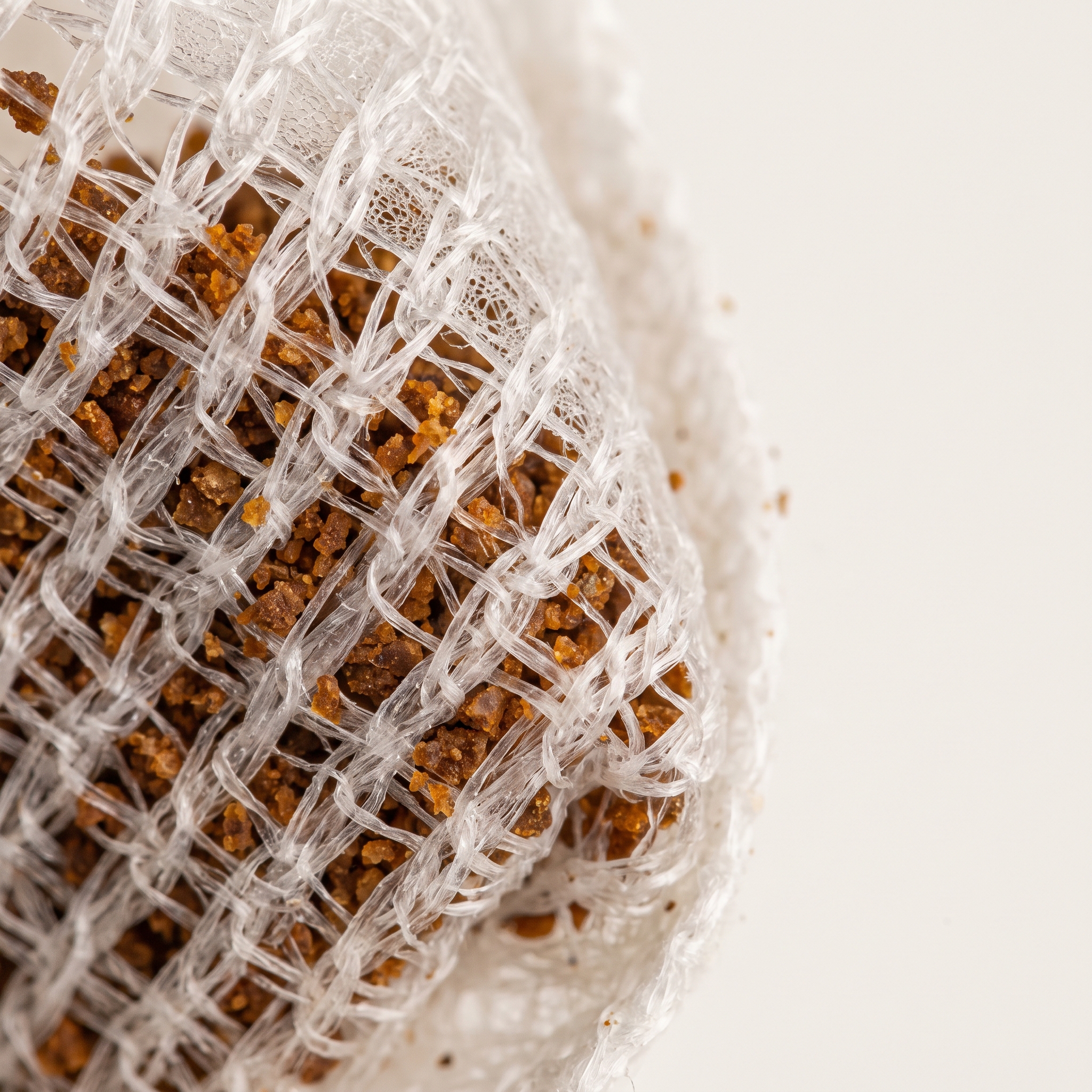
Understanding the chemical composition and physical properties of your filter media is the most crucial step in sourcing. Below is an expert analysis of the most prominent materials in the industry today.
The industry standard for decades, regular non woven fabric is typically composed of a blend of food-grade Polypropylene (PP) and Polyethylene (PE), or sometimes Polyethylene Terephthalate (PET). Manufactured via a melt-blown or spunbond process, this material is highly cost-effective and structurally robust.
- Brewing Dynamics: It offers a consistent, predictable flow rate. The synthetic fibers do not swell when exposed to hot water, ensuring the pore size remains stable during the entire brewing process.
- Production: Regular non woven is exceptionally well-suited for high-speed automated packaging machines (such as Fuso). It responds perfectly to ultrasonic sealing, creating clean, strong seams without the need for applied adhesives.
- Best For: Mass-market coffee brands, budget-friendly product lines, and roasters prioritizing operational efficiency and low cost per unit.
As consumer demand for sustainable packaging skyrockets, PLA corn fiber has emerged as the premier eco-friendly alternative. Polylactic Acid (PLA) is a thermoplastic aliphatic polyester derived from renewable biomass—most commonly fermented plant starch from corn, cassava, or sugarcane.
- Brewing Dynamics: PLA mesh offers exceptional flavor neutrality. Because it is a natural derivative, it has virtually no synthetic odor and provides high clarity in the cup. The extraction rate is generally excellent, allowing the bright acidity and floral notes of specialty light roasts to shine.
- Environmental Impact: PLA is industrial compostable. Under the right conditions (high heat and humidity found in commercial composting facilities), it breaks down into water and carbon dioxide, leaving no microplastics behind.
- Production: It can be ultrasonically sealed, though it requires slightly different machine calibrations compared to standard synthetics. It commands a premium price but elevates the brand’s perceived value.
- Best For: Specialty coffee roasters, eco-conscious brands, and premium retail markets.
A specialized, highly engineered filter media, HH215 Non woven represents a significant upgrade over basic synthetic blends. It is specifically designed to meet the rigorous demands of premium hot beverage filtration.
- Brewing Dynamics: HH215 boasts superior heat resistance and an optimized micro-pore structure. This ensures an impeccably clean cup, effectively trapping even the finest coffee dust (fines) that might escape cheaper materials. The flow rate is meticulously calibrated for medium-to-dark roasts that require a slightly longer dwell time for full extraction.
- Durability: Its high tensile strength means the bag is highly unlikely to tear during aggressive pouring or handling.
- Best For: Brands dealing with very finely ground coffee, dark roasts, and those requiring maximum structural integrity and food safety compliance.
Though less common now due to environmental concerns, food-grade Nylon mesh is still used for its incredible strength and visual appeal. The mesh is highly transparent, allowing consumers to see the coffee grounds clearly. However, its poor environmental profile and higher cost have led many brands to transition away from it in favor of PLA or advanced non-wovens.
3. Applications of Drip Coffee Bags
The versatility of drip coffee bags allows them to penetrate various market segments. Understanding where your product will be consumed can dictate the type of drip coffee bag material you should source:
4. Advantages of High-Quality Filter Materials
Investing in the correct material yields significant dividends for your brand:
5. Customization Options
Differentiation on the shelf is paramount. Manufacturers offer extensive customization for drip coffee packaging:
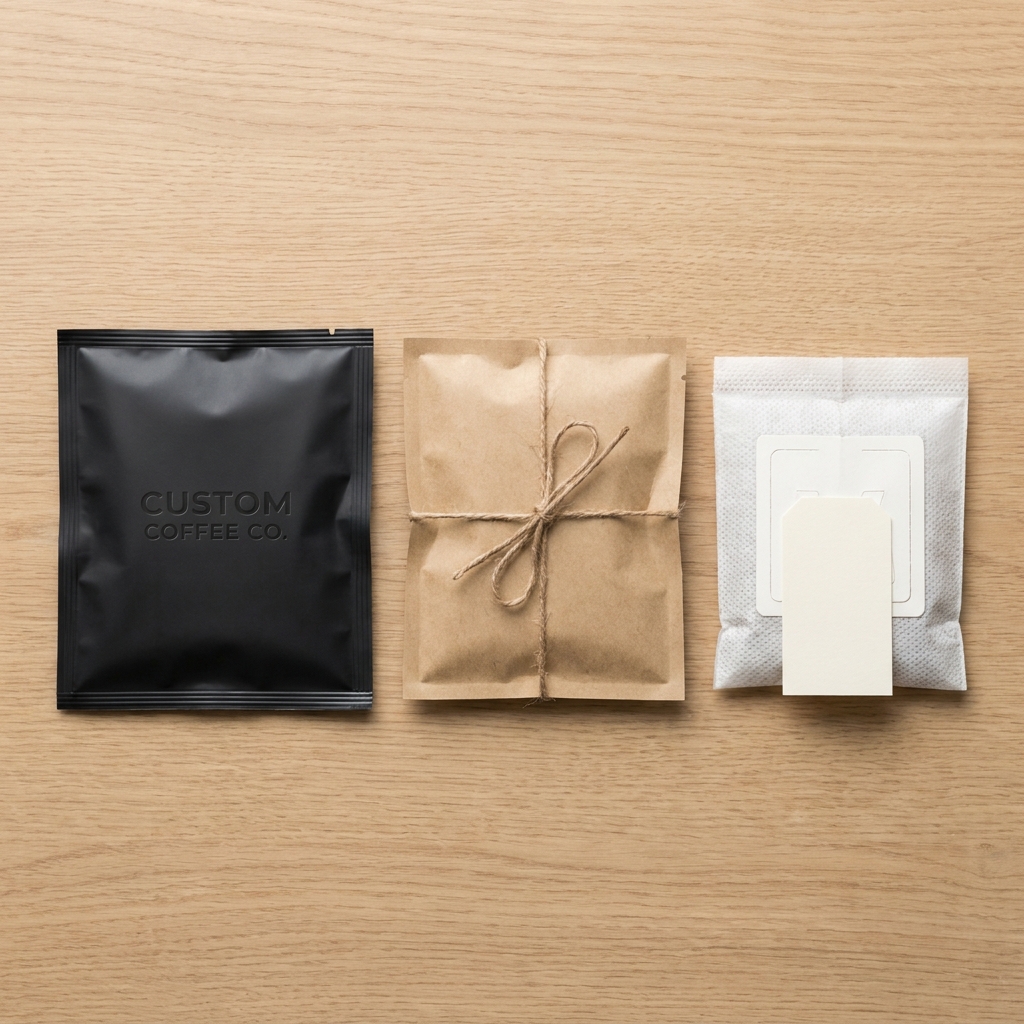
- Tag Customization: The small tag attached to the hanger can be printed with your brand logo, brewing instructions, or origin details. Custom die-cut shapes for the tags are also available to make your product stand out.
- Outer Envelope (Foil/Kraft): While the inner filter material is crucial for brewing, the outer envelope is essential for freshness. You can choose between high-barrier aluminum foil, metalized PET, or eco-friendly Kraft paper with compostable barriers. Full-color rotogravure or digital printing is available.
- Filter Shape: While the rectangular fold-out bag is standard, pyramid-style or cone-style drip filters are emerging for enhanced extraction geometry.
6. MOQ (Minimum Order Quantity) Guidelines
MOQs in the packaging industry vary significantly based on the level of customization and the specific drip coffee bag material chosen:
- Blank/Stock Filter Rolls: For brands operating their own Fuso machines, stock rolls of regular non woven or PLA without custom tags can often be purchased in low quantities (e.g., 10 to 50 rolls).
- Custom Printed Tags: If you want your logo on the filter tag, expect an MOQ of around 50,000 to 100,000 pieces per design, as the printing process requires dedicated plate setups.
- Outer Envelopes: Fully printed outer foil envelopes traditionally required MOQs of 50,000+ units. However, with the advent of digital printing, many suppliers now offer low-MOQ runs of 5,000 to 10,000 units, albeit at a higher cost per piece.
7. Lead Times and Supply Chain
Navigating the supply chain requires careful planning. Lead times are influenced by material availability, customization, and shipping methods:
- Stock Materials: Uncustomized rolls of regular non woven or HH215 Non woven can typically be dispatched within 7 to 14 days.
- Custom Production: Manufacturing filter rolls with custom-printed tags usually takes 20 to 30 days from the approval of the artwork.
- Shipping: Factor in logistics. Air freight from major manufacturing hubs (like East Asia) takes 5-10 days but is expensive. Sea freight is economical but adds 30-45 days to your timeline. Always keep a buffer stock of at least two months to prevent out-of-stock scenarios.
8. Crucial Certifications to Demand
Coffee filter materials come into direct contact with boiling water and are consumed by humans. Therefore, strict adherence to food safety standards is non-negotiable. Always request the following valid certificates from your supplier:
9. Material Comparison Table
| Feature | Regular Non Woven | PLA Corn Fiber | HH215 Non Woven | Nylon Mesh |
|---|---|---|---|---|
| Base Material | PP / PE / PET | Polylactic Acid (Plant starch) | Engineered Synthetic | Polyamide |
| Cost per Unit | Low ($) | High ($$$) | Medium ($$) | High ($$$) |
| Eco-Friendliness | Poor (Non-biodegradable) | Excellent (Compostable) | Poor (Non-biodegradable) | Poor (Non-biodegradable) |
| Flow Rate | Moderate / Predictable | Fast / Clean | Controlled / Steady | Fast |
| Flavor Neutrality | Good | Exceptional | Excellent | Good |
| Best Application | Mass Market, Hotel Amenities | Specialty Coffee, Eco-Brands | Dark Roasts, Fine Grinds | Legacy Premium lines |
10. Frequently Asked Questions (FAQ)
11. Conclusion
Launching or scaling a single-serve coffee product line is an exciting endeavor, and selecting the optimal drip coffee bag material is foundational to your success. Your choice sits at the intersection of product quality, operational efficiency, cost management, and brand messaging.
If you are targeting a price-sensitive mass market and require maximum efficiency on the packing line, regular non woven remains a stalwart, reliable choice. For roasters looking to elevate their product and cater to high-end, environmentally conscious consumers, investing in PLA corn fiber provides unparalleled flavor clarity and an eco-friendly narrative that modern buyers demand. Meanwhile, for specific roast profiles requiring meticulous filtration and durability, HH215 Non woven offers an excellent middle ground of premium performance without the highest price tags.
As a packaging expert, my final advice is to always request samples from your suppliers. Run test roasts, analyze the flow rates, cup the results blindly, and ensure their certifications are up to date. By aligning your material choice with your target audience and coffee profile, you will deliver a consistently exceptional cup of coffee, bag after bag.
Post time: Aug-08-2026


