Selecting the appropriate tea bag material is one of the most critical product development decisions for any tea brand, specialty blender, or co-packing operation. The physical substrate housing your tea leaves dictates infusion speed, clarity, aroma release, shelf stability, high-speed machine compatibility, and consumer perception.
As sustainability regulations tighten globally and consumers demand microplastic-free brewing, choosing the optimal tea bag material directly shapes your brand’s market positioning, profit margins, and compliance profile.
1. Product Overview: The Role of Substrates in Modern Tea Packaging
At its core, a tea bag material serves as a porous barrier. It must hold dry tea cuts without leaking dust while permitting hot water to flow freely inward and extract soluble compounds outward.
In the modern beverage market, tea packaging has evolved beyond simple containment. Today, selecting a tea bag material involves balancing four core criteria:
-
Liquor Extraction Efficiency: High porosity ensures rapid water exchange and full flavor extraction without extended steep times.
-
Aesthetic Presentation: Transparent or translucent substrates showcase whole leaves, flower petals, and fruit pieces, elevating perceived product value.
-
Machine Processing: High tensile strength and thermal sealability are required for high-speed automatic packaging machinery like FOP (Form-Fill-Seal) or Ulma systems.
-
Environmental Responsibility: Eco-friendly materials like PLA mesh and unbleached abaca paper fulfill consumer demand for compostable packaging.
Whether you are launching single-serve CTC (Crush, Tear, Curl) black tea or premium whole-leaf organic herbal blends, understanding the physical properties of each tea bag material ensures your product performs consistently in the cup.
2. Comprehensive Analysis of Key Tea Bag Materials
The global tea market relies on four primary substrates. Each tea bag material possesses distinct physical properties, sealing methods, and environmental profiles.
A. Filter Paper (Wood Pulp & Abaca Hemp)
Filter paper remains the industry standard for high-volume traditional tea bags. Modern filter paper is composed of wood pulp reinforced with natural abaca hemp fibers derived from Musa textilis plants.
-
Types: Available as Heat-Sealable (containing a minor percentage of food-grade heat-seal synthetic fibers like polypropylene) or Non-Heat-Sealable (100% natural fibers tied with thread or folded).
-
Pore Size: Fine pore structure (usually 20–50 microns), making it ideal for finely cut fannings and dust grades without particles leaking into the cup.
-
Eco-Profile: 100% biodegradable and industrially compostable in unbleached variations.
B. Polylactic Acid (PLA) Mesh & Non-Woven Cornstarch
PLA is a bio-based polymer derived from fermented plant starch (typically corn or sugarcane). It is currently the leading eco-friendly alternative for premium pyramid tea bags.
-
Characteristics: Silky appearance, high transparency, and exceptional tensile strength.
-
Sealing Method: Requires ultrasonic sealing technology rather than direct heat.
-
Eco-Profile: Industrially compostable (EN 13432 / ASTM D6400 certified), breaking down into water and carbon dioxide under industrial composting conditions without leaving microplastics.
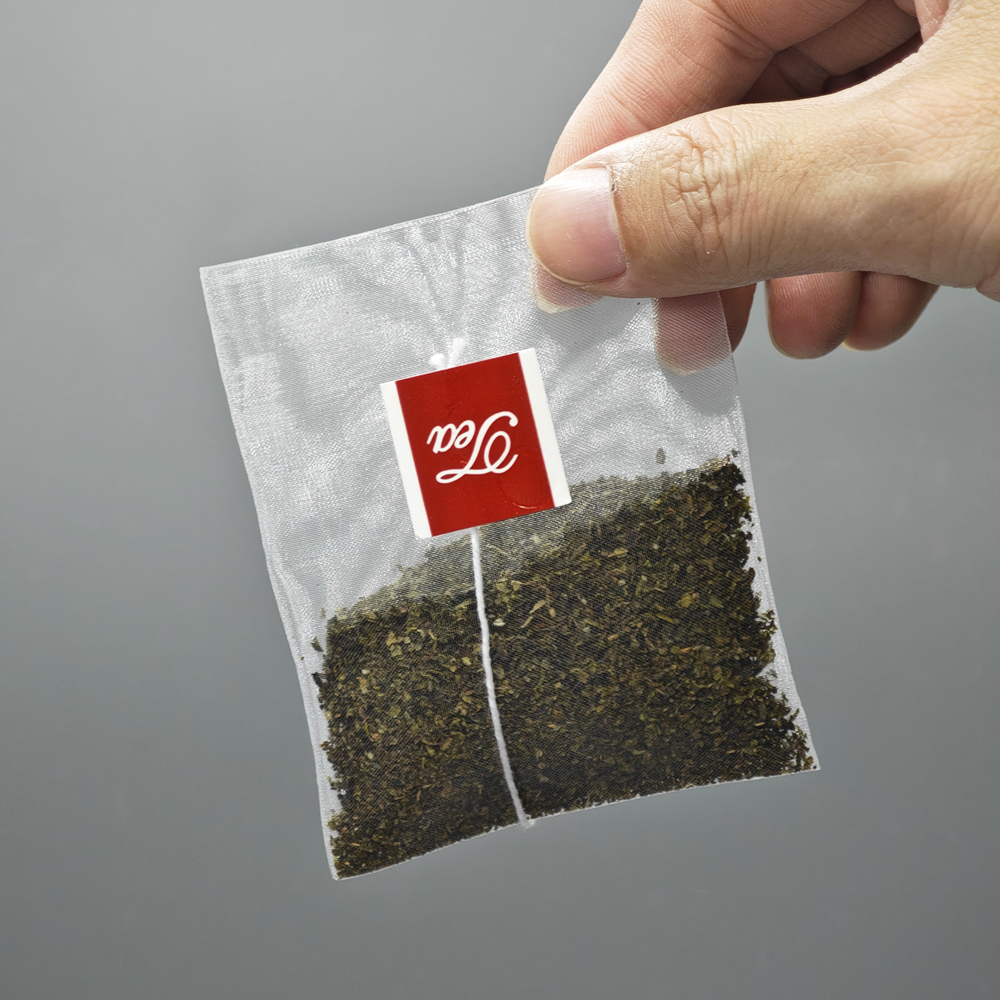
C. Nylon Mesh (Polyamide)
Nylon mesh was the pioneer material for 3D pyramid tea bags due to its crystal-clear transparency, vibrant sheen, and smooth machine feed rate.
-
Characteristics: Extremely durable, tear-resistant, and visually striking.
-
Considerations: Being petroleum-based, nylon faces increasing consumer pushback regarding microplastic release in boiling water and lack of biodegradability.
-
Best Use: Niche institutional applications where high mechanical durability is essential.
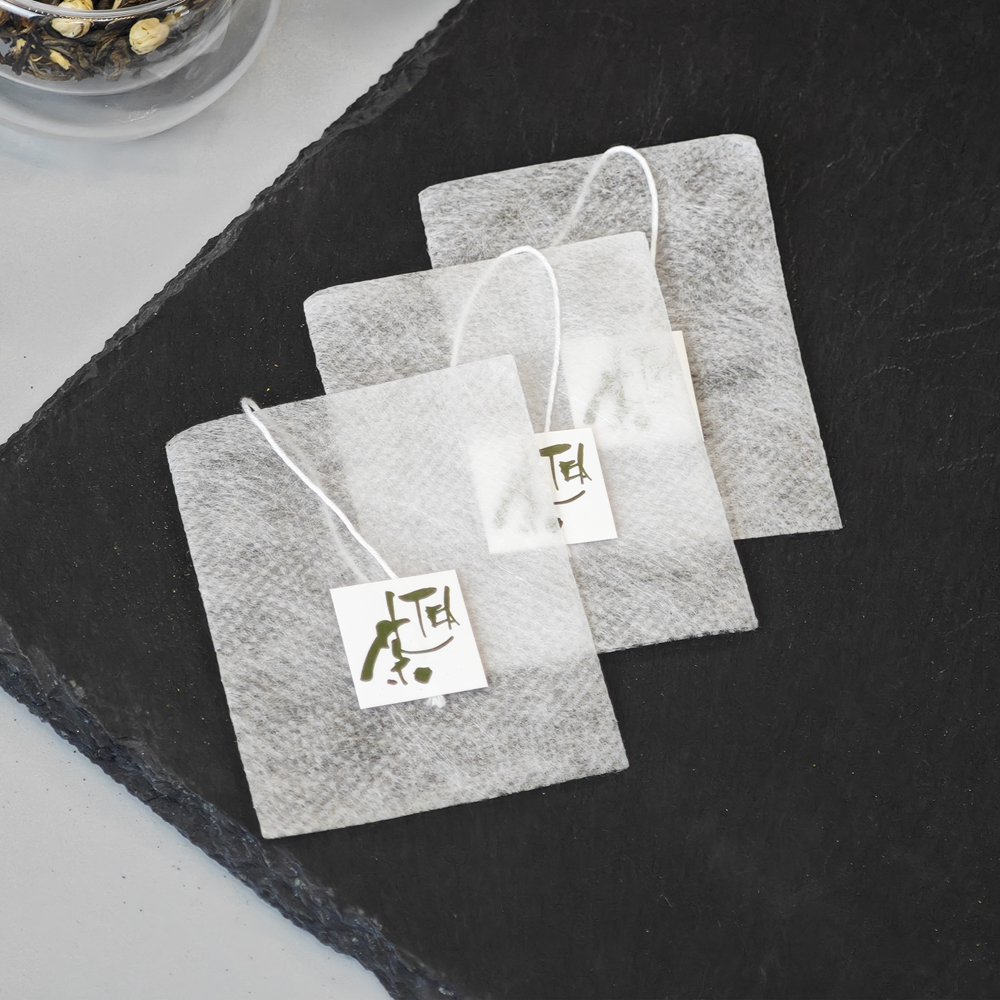
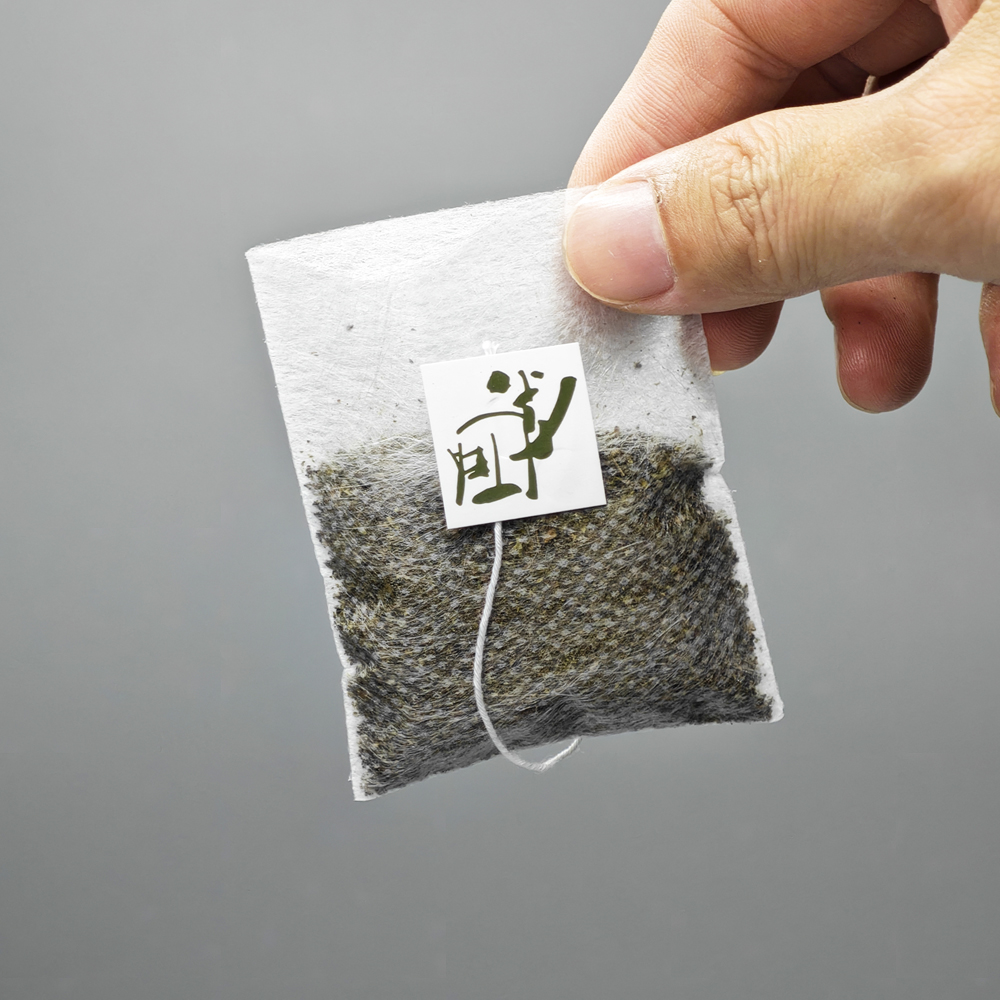
D. Non-Woven Fabrics (PET & PP)
Non-woven synthetic fabrics offer an economical middle ground between traditional paper and premium woven mesh.
-
Characteristics: Soft texture, uniform opacity, and high tear strength.
-
Sealing Method: Excellent heat-sealing compatibility at standard temperatures.
3. Applications Across Different Tea Cuts & Formats
Matching your tea leaf grade to the correct tea bag material prevents common packaging failures such as dusty tea liquor, torn bags, or restricted leaf expansion.
-
Traditional Flat Bags: Ideal for breakfast blends, hotel amenities, and high-speed retail production. Uses heat-seal filter paper. See our Filter Paper Tea Bag Products for technical spec sheets.
-
Pyramid Bags: Perfect for loose-leaf specialty teas, blooming botanicals, and fruit infusions requiring space for full expansion. Explored in detail under our Pyramid Mesh Roll Solutions.
-
Cold Brew Applications: Demands a robust tea bag material with high wet strength to withstand prolonged steeping in large volumes. View our Cold Brew Filter Solutions.
For specialized market applications, learn more about our tailored solutions in our Food Service Tea Packaging Industry Guide and our Retail Brand Packaging Applications.
4. Key Advantages & Performance Comparison
To streamline your sourcing strategy, the table below compares performance metrics across the main commercial options:
| Material Type | Clarity / Visuals | Tensile Strength | Sealing Method | Eco-Friendly Status | Relative Cost |
|---|---|---|---|---|---|
| Bleached Filter Paper | Low (Opaque) | Moderate | Heat / Fold | Biodegradable | $ (Lowest) |
| Unbleached Filter Paper | Low (Natural Brown) | Moderate | Heat / Fold | 100% Compostable | $ |
| PLA Corn Mesh | High (Transparent) | High | Ultrasonic | Industrially Compostable | $$$ |
| Nylon Mesh | Very High (Clear) | Very High | Ultrasonic | Non-Biodegradable | $$ |
| Non-Woven PLA | Semi-Translucent | High | Ultrasonic / Heat | Industrially Compostable | $$ |
Selecting an eco-friendly tea bag material like PLA mesh elevates brand value, allowing premium pricing that easily offsets higher raw material costs.
5. Customization Options for Brand Differentiation
Customizing your packaging substrate creates instant retail visibility and reinforces brand identity.
-
Custom Tags & Strings: Printed tags (1-4 colors, vegetable-based inks) attached via food-grade ultrasonic welding without toxic glues.
-
Pre-Threaded Roll Stock: Pre-tagged mesh rolls engineered for automatic packing machines reduce downtime during long production runs.
-
Substrate Width & GSM: Roll widths (e.g., 120mm, 140mm, 160mm) and fabric density (18 GSM to 35 GSM) configured for specific dosage weights.
-
Shape Variations: Square pillows, double-chamber folded bags, 3D pyramids, and round pods.
6. Sourcing Metrics: MOQ, Lead Time, and Supply Chain
Understanding commercial sourcing requirements prevents production bottlenecks when scaling your product line.
-
Minimum Order Quantity (MOQ):
-
Standard Plain Filter Paper Rolls: 50 kg to 100 kg.
-
Custom Printed Tagged PLA Mesh: 50,000 to 100,000 bags (or ~5 roll equivalents).
-
-
Lead Time:
-
Standard Stock Rolls: 5 to 7 business days.
-
Custom OEM Tagged Material: 15 to 25 business days depending on artwork approval.
-
-
Quality Control Checkpoints: Ensure your supplier tests tensile strength, air permeability, seal burst strength, and heavy metal compliance before shipping.
7. Quality Certificates & International Standards
When importing any tea bag material, food safety compliance is non-negotiable. Request certified test reports verifying the following global standards:
-
FDA 21 CFR 177.1520: US Food and Drug Administration food contact clearance.
-
EU Regulation (EC) No 10/2011: European compliance on plastic materials intended to come into contact with food.
-
DIN CERTCO / Seedling (EN 13432): European verification for industrial compostability (critical for PLA materials).
-
OK Biobased / TÜV AUSTRIA: Certifies renewable carbon content in cornstarch substrates.
-
ISO 22000 & FSSC 22000: International food safety management certifications for manufacturing facilities.
8. Frequently Asked Questions (FAQ)
What is the most eco-friendly tea bag material available today?
Polylactic Acid (PLA) mesh made from cornstarch and unbleached natural abaca filter paper are the most eco-friendly choices. Both decompose into organic elements under industrial composting conditions without shedding persistent synthetic microplastics.
Can PLA mesh tea bags be sealed with standard heat sealers?
No. PLA mesh typically requires ultrasonic sealing technology. Direct heat sealing often scorches or unevenly melts cornstarch fibers. Ensure your co-packing or packaging machinery supports ultrasonic sealing before choosing PLA mesh.
Why is unbleached filter paper preferred for organic tea brands?
Unbleached filter paper skips chlorine dioxide bleaching, retaining its natural light brown fiber color. It contains zero residual processing chemicals, making it ideal for certified USDA Organic or EU Organic tea collections.
How does pore size in tea bag material affect tea brewing?
Pore size determines the balance between particle containment and water exchange. Finer pores (20–40 microns) prevent tea dust from clouding the cup, while larger mesh openings (100+ microns) allow whole tea leaves to release flavor and oils rapidly.
What is the typical shelf life of raw tea bag material rolls?
Stored in a cool, dry warehouse out of direct UV light, standard filter paper and synthetic rolls have a shelf life of 24 to 36 months. PLA cornstarch materials should be converted within 12 to 18 months to prevent premature moisture degradation.
9. Conclusion
Choosing the right tea bag material requires a balanced assessment of tea leaf grade, machine capabilities, target market expectations, and environmental commitments. While traditional filter paper offers unbeatable cost efficiency for high-volume commodity teas, PLA mesh delivers the premium aesthetic and eco-conscious profile modern specialty drinkers demand.
By testing material samples on your packing equipment and verifying food-grade certifications early in product development, you protect your brand’s reputation and deliver an exceptional cup of tea every time.
Post time: Jul-31-2026


