International tea brands, contract packaging enterprises, food service conglomerates, and institutional beverage procurement directors are executing an unprecedented operational transition across their supply chains. The long-standing packaging paradigm that elevated synthetic polymers to industry dominance is undergoing systematic dismantling. At the core of this transformation is the accelerated displacement of conventional woven polyamide mesh by certified polylactic acid filtration substrates.
Driven by comprehensive legislative mandates across the European Union, the United Kingdom, North America, and key Asia-Pacific markets, commercial decision-makers are re-evaluating the physical materials used to deliver tea to consumers. Recent analytical chemistry data highlighting microplastic and nanoplastic shedding from synthetic tea bags exposed to boiling water has fundamentally altered brand risk profiles. Where packaging procurement once prioritized raw tensile forgiveness and high machine line speeds above all else, enterprise leadership now balances convertibility with regulatory compliance, toxicological inertness, extended producer responsibility obligations, and circular end-of-life accountability.
This comprehensive technical bulletin delivers an objective analysis of polylactic acid versus polyamide mesh for commercial importers, brand custodians, manufacturing engineers, and procurement directors steering their organizations through this critical market transition.
The Strategic Shift in Single-Serve Beverage Formats
The pyramid tea bag format transformed consumer perception of single-serve tea brewing over two decades ago. By replacing traditional flat, paper-based, double-chamber tea bags with a three-dimensional tetrahedral geometry, packaging innovators gave whole-leaf orthodox teas and bulky botanicals the physical volume required to expand and circulate freely. This dynamic brewing chamber mirrored the hydraulic extraction kinetics of a traditional loose-leaf teapot while maintaining the rapid convenience of a single-portion format.
To achieve this geometry, automated packaging machinery manufacturers required a monofilament or woven web substrate possessing sufficient tensile strength, dimensional stability, ultrasonic sealability, and optical clarity. Woven nylon—chemically designated as polyamide—rapidly emerged as the industry’s default standard. Its synthetic durability allowed contract packagers to operate vertical form-fill-seal lines at maximum design velocities without web breakage, while its glass-like transparency gave consumers an unobstructed view of whole tea leaves, hand-rolled pearls, fruit pieces, and flower petals.
However, the material properties that established nylon as a processing marvel are the exact attributes rendering it commercially and ecologically vulnerable in the modern regulatory environment. Because a PA tea bag is non-biodegradable, its persistent petrochemical backbone resists natural decomposition entirely. Spent tea bags, intrinsically bound to wet organic matter, bypass mechanical recycling networks and end up either in municipal landfills—persisting for generations—or in municipal incinerators, contributing to fossil-derived greenhouse gas emissions.
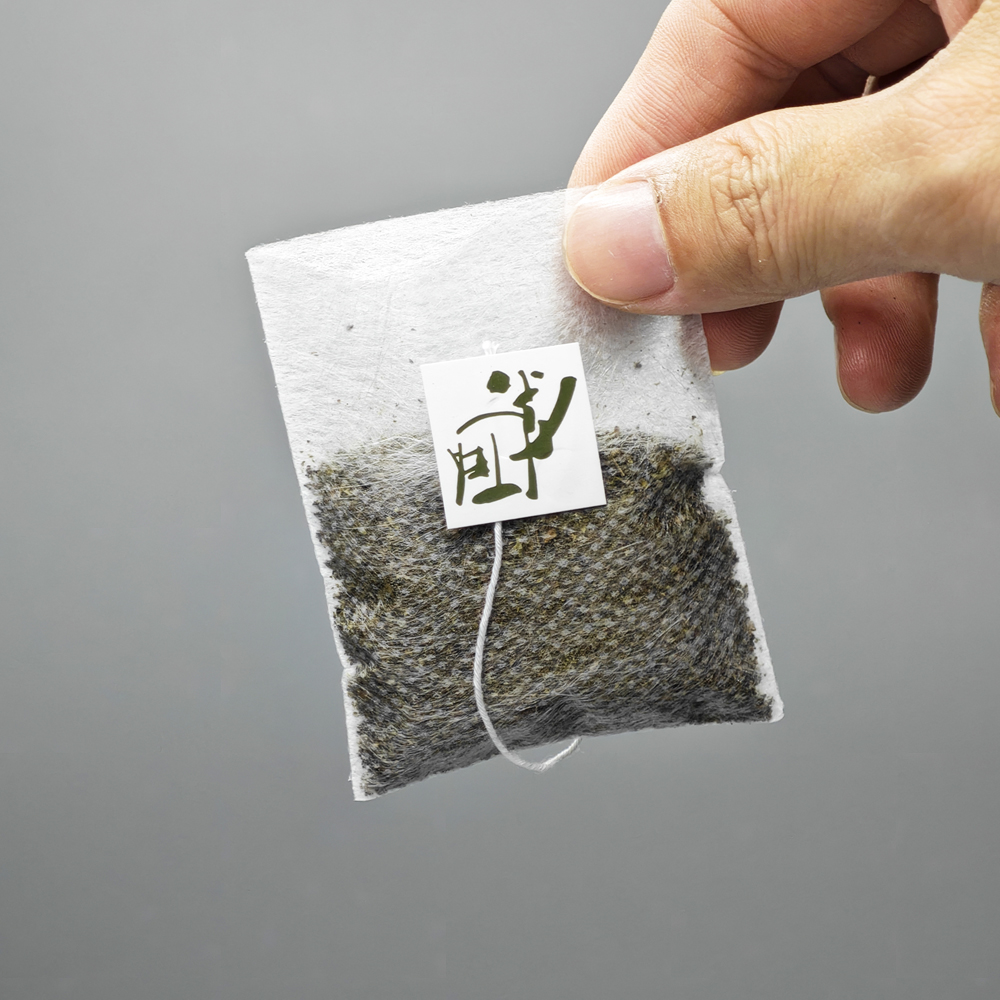
Concurrently, advancements in industrial biotechnology have positioned polylactic acid (PLA) as a drop-in monofilament mesh capable of meeting modern high-speed packaging demands while maintaining a circular lifecycle. Because a PLA tea bag is biodegradable, it undergoes microbial assimilation under controlled industrial composting conditions, reverting cleanly to carbon dioxide, water, and non-toxic biomass.
Consequently, what began as a niche marketing consideration for boutique organic tea blenders has transformed into a board-level imperative for global packaging conglomerates. Sourcing directors are now compelled to weigh the historical mechanical processing ease of polyamide against the future-proof compliance, toxicological safety, and corporate sustainability metrics offered by high-purity polylactic acid.
Chemical Architecture and Material Synthesis
To evaluate the mechanical and biological divergence between polylactic acid and polyamide, procurement engineers must first assess the underlying macromolecular chemistry, synthetic pathways, and fiber conversion techniques that govern each substrate.
Raw Feedstock Comparison:
POLYLACTIC ACID (PLA): Atmospheric CO2 + Sunlight → Renewable Biomass (Corn, Cassava, Sugarcane) → Dextrose → Bacterial Fermentation (Lactic Acid) → Dimerization (Lactide) → Ring-Opening Polymerization → Poly-L-Lactic Acid (PLLA) Resin → Melt Spinning → Monofilament Woven Mesh
POLYAMIDE (NYLON / PA): Fossil Hydrocarbons (Petroleum Crude, Natural Gas) → Petrochemical Cracking → Benzene / Cyclohexane → Caprolactam (for PA-6) OR Adipic Acid + Hexamethylenediamine (for PA-6,6) → Condensation / Ring-Opening Polymerization → Polyamide Resin → Melt Extrusion & Drawing → Monofilament Woven Mesh
Polylactic Acid: Bio-Based Polymerization Mechanics
Polylactic acid belongs to the family of aliphatic polyesters, distinguished by an ester linkage (-COO-) repeated along the macromolecular backbone. Unlike conventional petroleum-derived plastics synthesized from refined crude oil fractions, the industrial synthesis of PLA begins with renewable agricultural feedstocks, typically non-GMO corn, cassava roots, or sugarcane crops.
The conversion pipeline involves several distinct bio-chemical and chemical engineering operations:
1. Extraction and Enzymatic Hydrolysis: The harvested plant biomass is wet-milled to isolate raw carbohydrate starches. These starches are treated with industrial enzymes—principally alpha-amylase and glucoamylase—to break down long amylose and amylopectin polysaccharide chains into simple, fermentable dextrose (D-glucose) monomers.
2. Microbial Fermentation: The dextrose solution is fed into industrial bioreactors inoculated with specialized bacterial strains, such as Lactobacillus species. Through anaerobic fermentation, these microorganisms consume the simple sugars, producing high-purity L-lactic acid (2-hydroxypropanoic acid) as their primary metabolic byproduct.
3. Purification and Catalytic Dimerization: The crude lactic acid broth is separated, desalted, and concentrated. Direct polycondensation of lactic acid yields only low-molecular-weight, brittle oligomers due to the continuous presence of equilibrium water. To bypass this limitation, the lactic acid is catalytically oligomerized and subsequently depolymerized under vacuum to synthesize a cyclic dimer intermediate known as lactide. Through precision fractional distillation, the optical isomers (L-lactide, D-lactide, and meso-lactide) are purified.
4. Ring-Opening Polymerization (ROP): High-optical-purity L-lactide undergoes solvent-free, metal-catalyzed ring-opening polymerization, typically utilizing tin(II) 2-ethylhexanoate (stannous octoate) as the catalyst. This process opens the cyclic rings, stringing them into high-molecular-weight Poly-L-Lactic Acid (PLLA) chains with narrow molecular weight distributions and high stereochemical consistency.
5. Melt Spinning and Monofilament Weaving: The resulting virgin PLLA pellets, possessing a glass transition temperature between 55°C and 60°C and a crystalline melting point between 150°C and 170°C, are dried to moisture levels below 50 parts per million to prevent hydrolytic degradation inside the extruder. The polymer is melt-extruded through micro-diameter spinnerets, quenched, and subjected to hot-drawing processes to align the molecular chains along the fiber axis. This molecular alignment imparts the necessary tensile strength, modulus, and dimensional stability. The resulting continuous monofilaments (typically 15 to 30 denier) are woven on precision industrial looms into uniform mesh fabrics with engineered pore geometries.
Polyamide: Petroleum Derivation and Synthetic Chemistry
Polyamides, universally recognized under the commercial designation nylon, are synthetic semicrystalline polymers defined by recurring amide linkages (-NH-CO-) within the main polymer backbone. In beverage packaging filtration, the industry relies on two primary formulations: Polyamide-6 (PA-6, polycaprolactam) and Polyamide-6,6 (PA-6,6, polyhexamethylene adipamide).
The production architecture for polyamide is deeply rooted in the heavy petrochemical cracking complex:
1. Hydrocarbon Feedstock Refining: The production chain originates from crude petroleum and natural gas liquids, which are cracked into benzene and propylene. Benzene is hydrogenated to cyclohexane, which is oxidized into a mixture of cyclohexanone and cyclohexanol.
2. Monomer Synthesis:
For Nylon 6, cyclohexanone is reacted with hydroxylamine sulfate to synthesize cyclohexanone oxime, which subsequently undergoes the Beckmann rearrangement in the presence of concentrated sulfuric acid to yield caprolactam monomer.
For Nylon 6,6, cyclohexane-derived adipic acid is stoichiometric-reacted with hexamethylenediamine (synthesized from butadiene or propylene-derived acrylonitrile) to form an intermediate known as “nylon salt” (hexamethylenediammonium adipate).
3. Polymerization:
Caprolactam is heated in the presence of water to initiate hydrolytic ring-opening polymerization, creating a continuous linear polyamide chain.
Nylon salt is dissolved in water and heated under controlled pressure to drive a polycondensation reaction, releasing water vapor as a byproduct as the diamine and dicarboxylic acid monomers link into long chains.
4. Extrusion and Drawing: The molten polyamide, exhibiting melting temperatures between 215°C and 225°C (for PA-6) or 255°C and 265°C (for PA-6,6), is extruded through spinnerets into monofilament fibers. These filaments are subjected to intensive drawing stages at temperatures above their glass transition point, stretching the filaments up to four to five times their original length. This process orientates the linear chains parallel to one another, establishing extensive inter-chain hydrogen bonding between carbonyl oxygens and amide hydrogens. This intense hydrogen bonding confers superior tensile elasticity, impact toughness, and mechanical recovery.
5. Weaving: The drawn monofilaments are woven into warp-and-weft filtration fabrics, yielding a flexible, highly elastic, and crystal-clear mesh substrate.
Direct Structural, Chemical, and Physical Divergence
The structural differences between aliphatic polyesters (PLA) and synthetic polyamides (nylon) establish fundamentally different mechanical, thermal, and biological behaviors during both packaging line processing and consumer use:
1. Macromolecular Polarity and Surface Energy
The ester bonds in PLA provide moderate polarity and natural hydrophilicity, imparting the monofilament with a high surface energy that facilitates spontaneous wetting when submerged in aqueous media.
Nylon contains repeating amide units that participate in intense intra-chain hydrogen bonding. While nylon absorbs ambient atmospheric moisture over time due to hydrogen bonding, its smooth synthetic monofilament surface exhibits a higher apparent contact angle with water during dynamic initial wetting. This difference can cause nylon to trap small, visible air bubbles around the mesh pores during the first few seconds of immersion, briefly impeding fluid exchange until the fabric is fully wetted.
2. Tensile Modulus vs. Ductile Elongation
Polyamide fibers display high elongation before break, typically ranging between 25 percent and 45 percent in industrial-grade monofilament mesh. When exposed to transient web-tension spikes caused by mechanical indexing on packaging lines, nylon monofilament stretches elastically, absorbs the strain energy, and partially recovers its original geometry without tearing.
Polylactic acid features a substantially higher flexural modulus combined with lower elongation at break, typically spanning 15 percent to 25 percent. The polymer chains are stiffer and less accommodating of sudden, unbuffered tensile shocks. If web tension across a packaging line is unevenly balanced, or if guide rollers introduce localized shear, PLA monofilament reaches its yield point earlier, tearing or snapping rather than deforming elastically.
3. Thermal Softening Windows
The thermal processing envelope represents one of the most critical operational distinctions between the two substrates. Polyamide exhibits exceptional thermal stability; its melting point exceeds 215°C, and its crystalline matrix does not begin to soften appreciably until temperatures pass well beyond the boiling point of water.
Polylactic acid, however, exhibits a low glass transition temperature (Tg) of approximately 55°C to 60°C and a melting point around 150°C to 170°C. When exposed to hot, humid ambient conditions, the polymer chains gain mobility, causing the material to relax, soften, or undergo premature hydrolytic chain scission if environmental controls are unmanaged.
During packaging line sealing, this lower thermal threshold mandates precise acoustic energy control; whereas nylon tolerates a wide window of ultrasonic amplitude without degrading, excessive ultrasonic exposure on PLA instantly liquefies the polymer, resulting in pinholing, blade cut-through, and embrittled edge seams.
The Environmental Imperative: Biodegradability vs. Synthetic Persistence
The environmental footprint of food and beverage packaging has evolved from a secondary corporate social responsibility talking point into a decisive driver of enterprise market access, brand valuation, and product viability.
End-of-Life Lifecycle Pathways:
SPENT PLA TEA BAG: Used Tea Bag (PLA Mesh + Organic Leaf + Cotton Thread) → Municipal Green Waste / Industrial Composting Facility → Controlled Conditions (58°C, ~60% Moisture, Aerobic Microorganisms) → Hydrolysis into Low-MW Oligomers → Microbial Assimilation & Respiration → Converted to CO2, H2O, and Humus within 90–180 Days → Zero Microplastics, Zero Synthetic Residues
SPENT NYLON (PA) TEA BAG: Used Tea Bag (Nylon Mesh + Organic Leaf) → Municipal Landfill / Incineration (Contaminated; Cannot be Mechanically Recycled) → Hundreds of Years of Environmental Persistence → Mechanical & UV Weathering (If Discarded into Environment) → Fragmentation into Microplastics & Nanoplastics → Bioaccumulation in Marine & Terrestrial Trophic Chains
The Degradation Mechanism of PLA
The central environmental justification for polylactic acid is captured in the fundamental reality that a PLA tea bag is biodegradable. However, industrial procurement teams must understand the exact biological and thermodynamic conditions required to facilitate this degradation, preventing inaccurate marketing claims that risk greenwashing accusations.
PLA is an industrially compostable biopolymer governed globally by harmonized testing methodologies, including European Standard EN 13432, American Standard ASTM D6400, and International Standard ISO 17088. Under the parameters enforced by these standards, the material must demonstrate complete physical disintegration and microbial assimilation within specified timeframes:
1. Hydrolytic Depolymerization: In an industrial composting facility, ambient temperatures are maintained within the thermophilic range of 55°C to 60°C, accompanied by relative humidity levels exceeding 60 percent. Under these conditions, water molecules rapidly diffuse into the amorphous regions of the PLA polymer matrix. The combination of heat and moisture cleaves the covalent ester linkages via non-enzymatic random chain scission (hydrolysis). This depolymerization process cuts the massive molecular weight chains—which initially exceed 100,000 Daltons—down into low-molecular-weight lactic acid monomers, dimers, and water-soluble oligomers (under 10,000 Daltons).
2. Microbial Assimilation and Mineralization: Once the molecular weight has fallen below this critical biological threshold, naturally occurring thermophilic bacteria, actinomycetes, and fungi (such as Thermomonospora, Bacillus, and Aspergillus species) actively metabolize the lactic acid fragments. The microorganisms utilize these fragments as a primary carbon and energy source, executing cellular respiration that converts the material into carbon dioxide (CO2), water (H2O), and nutrient-rich organic humus. Under standardized industrial composting protocols, 90 percent or more of the organic carbon must be converted to carbon dioxide within 180 days, with zero ecotoxic chemical residues or heavy metals left behind in the finished compost.
It is vital for brand owners and retail buyers to recognize that standard high-molecular-weight PLA mesh is engineered specifically for industrial composting facilities. In standard home composting bins or natural ambient marine environments, where temperatures rarely exceed 25°C to 30°C, the initial thermal hydrolysis stage proceeds very slowly. In such settings, complete breakdown can take anywhere from eighteen months to multiple years depending on moisture, soil microflora, and sunlight exposure.
Nevertheless, even in sub-optimal disposal pathways, PLA ultimately breaks down through natural weathering and biological mineralization into benign organic molecules, entirely avoiding the toxicological profile of persistent petrochemical plastics.
The Problem of Polyamide Persistence
Conversely, the environmental reality of conventional alternatives is unequivocal: a PA tea bag is non-biodegradable.
The aliphatic amide linkages that provide nylon with its remarkable mechanical integrity are exceptionally resistant to spontaneous chemical hydrolysis under ambient or municipal composting conditions. The high degree of intermolecular hydrogen bonding and semicrystalline packing density severely limits water ingress and prevents microbial enzymes from docking onto and cleaving the polymer chains.
When a consumer discards a spent nylon tea bag into a municipal compost collection bin, it acts as a non-degradable contaminant. Composting facility operators must mechanically screen out these synthetic fragments; uncaptured nylon mesh wraps around industrial shredding machinery, clogs sorting grates, and ruins batches of commercial compost.
When sent to landfills, nylon mesh sits in an anaerobic, light-starved environment where it persists unchanged for hundreds of years. If lost to the broader environment via open dumping or littering, mechanical abrasion, wave action, and ultraviolet solar radiation do not degrade the nylon chemically; rather, they mechanically shatter the monofilaments into trillions of microscopic synthetic plastic fibers. These microplastics contaminate freshwater systems, enter municipal water supplies, and bioaccumulate across global marine food webs.
Consumer Health, Safety, and Food Contact Regulatory Scrutiny
Beyond ecological persistence, the primary catalyst accelerating the global transition away from polyamide is the emerging body of scientific literature regarding food-contact polymer safety, thermal extraction kinetics, and the ingestion of synthetic microplastics.
The Microplastic Ingestion Phenomenon
Tea bags occupy a unique and demanding category within food packaging: they are thin-gauge synthetic or semi-synthetic filter membranes submerged directly into boiling or near-boiling water (90°C to 100°C) for durations typically spanning two to seven minutes.
Under these aggressive hydrothermal extraction conditions, the physical stability of polymer fibers undergoes significant stress. A watershed study conducted by researchers at McGill University and published in Environmental Science & Technology systematically exposed commercial nylon-6 and polyethylene terephthalate (PET) tea bags to standardized brewing temperatures (95°C) to quantify particle shedding.
Using advanced analytical methodologies—including Fourier Transform Infrared Spectroscopy (FTIR), X-ray Photoelectron Spectroscopy (XPS), and Scanning Electron Microscopy (SEM)—the researchers discovered that steeping a single plastic tea bag at brewing temperature released approximately:
- · 11.6 billion microplastic particles (particles measuring greater than 1 micron up to several millimeters).
- · 3.1 billion nanoplastic particles (sub-micron fragments measuring under 100 nanometers).
The chemical spectra confirmed that these particles were composed entirely of the parent polyamide and polyester polymers, dislodged through a combination of thermal softening, mechanical surface crazing, and the hydrolysis of surface-level chain ends. The study further established that the sheer quantity of synthetic particles released from a single cup of tea exceeded the annual microplastic intake estimated from all other dietary sources combined (including seafood, drinking water, and table salt) by several orders of magnitude.
When exposed to chronic sub-lethal concentrations of these liberated tea bag particles, biological test models (Daphnia magna) exhibited marked, dose-dependent anatomical abnormalities and behavioral impairments, raising global scientific and regulatory concerns regarding the chronic biological impact of micro- and nano-scale plastic ingestion on human intestinal barriers, cellular toxicity, and systemic inflammation.
The Toxicological Inertness of Polylactic Acid
In stark contrast, high-purity medical- and food-grade polylactic acid demonstrates a track record of biological safety and biocompatibility. PLA has been thoroughly approved by global regulatory authorities—including the United States Food and Drug Administration (FDA) and the European Food Safety Authority (EFSA)—not only for ambient and hot-fill food packaging, but also for direct surgical implantation inside the human body (such as dissolvable sutures, bone pins, and drug-delivery matrices).
When a high-purity PLA tea filter is exposed to boiling water during normal brewing:
- · It exhibits zero release of petroleum-derived synthetic polymers, persistent phthalates, bisphenol-A (BPA), or aromatic amine compounds.
- · While the thermal shock of boiling water accelerates surface-level hydrolysis of the ester linkages, any resulting sub-micron particulate matter or shed oligomers consist of short-chain lactic acid derivatives.
- · Lactic acid is an endogenous organic compound produced continuously by human cellular metabolism during anaerobic glycolysis. The human liver and kidneys metabolize lactic acid into glycogen, carbon dioxide, and water with zero cytotoxic or bioaccumulative risk.
For global tea brand owners, the transition to PLA removes substantial legal and reputational exposure. In an era dominated by consumer health literacy, proactive litigation, and stringent product liability frameworks, packaging tea in substrates that shed billions of synthetic polymer fragments directly into a beverage poses severe commercial risks.
Processing and Manufacturing Line Performance
While procurement executives and sustainability managers may favor PLA on ecological and toxicological grounds, plant managers, packaging line engineers, and contract copackers must contend with the realities of converting these materials on high-speed, automated production machinery.
Packaging Line Behavior Profile:
NYLON (PA) PROCESSING CHARACTERISTICS:
- · Tensile Strength: 50–70 MPa
- · Elongation at Break: 25–45% (High mechanical forgiveness)
- · Ultrasonic Sealing Window: Broad (Forgiving to amplitude & anvil pressure swings)
- · Heat Tolerance: High (Resistant to scorching & burn-through)
- · Moisture Sensitivity: Low (Unaffected by ambient line humidity)
- · Tooling Wear: High (Abrasive monofilament wears down steel/titanium horns)
PLA PROCESSING CHARACTERISTICS:
- · Tensile Strength: 35–50 MPa
- · Elongation at Break: 15–25% (Requires precise, balanced web tension)
- · Ultrasonic Sealing Window: Narrow (Requires tuned amplitude & calibrated pressure)
- · Heat Tolerance: Moderate (Excessive energy causes premature melt cut-through)
- · Moisture Sensitivity: High (Requires climate-controlled processing environments)
- · Tooling Wear: Low (Soft polymer reduces abrasive wear on cutting dies)
Modern pyramid tea packing machines—engineered by pioneering equipment manufacturers such as Fuso International, Tsubakimoto, and leading automated packaging machinery builders—utilize vertical form-fill-seal (VFFS) architectures. Continuous rolls of tagged and threaded filter mesh are unwound, formed into an open tube around a hollow filling mandrel, filled with a gravimetrically dosed volume of tea, ultrasonically sealed longitudinally, cross-sealed and cut at alternating 90-degree angles to form a three-dimensional tetrahedron, and ejected at speeds ranging from 50 to 240 units per minute.
To achieve continuous commercial efficiency, the material running across these lines must interact seamlessly with the machine’s tension control, guiding, and ultrasonic components.
1. Web Handling, Tension Control, and Modulus Management
The most immediate difference an operator notices when switching a packaging line from nylon to PLA is web behavior under tension.
Nylon’s low tensile modulus and high elongation act as a mechanical buffer. If the unwind brake experiences a momentary hesitation, or if the dancer arm bounces during sudden machine acceleration, the nylon web stretches smoothly without snapping.
PLA, by comparison, has higher stiffness and lower yield elongation. Under sharp tension spikes, it does not stretch; it tears. Consequently, successful conversion to PLA requires packaging facilities to optimize their line tensioning systems:
- · Dancer Arm Calibration: Pneumatic dancer arms must be adjusted to apply lighter, highly responsive counter-pressures, eliminating abrupt jerks during web indexing.
- · Guide Roller Alignment: All idle rollers, web-guiding sensors, and forming collars must be aligned to eliminate localized edge stress. Any sharp mechanical burr along the web path that nylon would glide past can act as a stress-concentration point on PLA, inducing catastrophic longitudinal web fractures.
2. The Mechanics of Ultrasonic Sealing
Pyramid tea bags cannot be sealed using conventional thermal conduction bars because applying sustained conductive heat through the outer mesh inevitably burns, scorches, and distorts the delicate fibers. Instead, the industry relies on ultrasonic welding.
An ultrasonic sealing assembly consists of a piezoelectric transducer, a booster, and an acoustic sonotrode (horn) vibrating against a stationary, patterned anvil at frequencies between 20 kHz and 35 kHz. When the overlapping layers of mesh are compressed between the vibrating horn and the anvil, mechanical acoustic energy is transferred into the polymer matrix. Intermolecular friction causes localized heating at the contact points, melting the fibers and fusing them into an airtight, mechanically secure seam within a fraction of a second.
Nylon Sealing Profile: Nylon possesses a broad, forgiving ultrasonic sealing envelope. Because of its high melting temperature (215°C+) and wide rubbery transition state, an operator can apply substantial ultrasonic amplitude and heavy anvil pressure without burning through the web. If the machine cycles slightly slower or faster, nylon absorbs the acoustic energy variations without failing.
PLA Sealing Profile: PLA has a narrow acoustic processing window. Because its melting point is substantially lower (150°C to 170°C) and its melt viscosity drops rapidly once liquefied, excessive ultrasonic energy will slice directly through the mesh, creating “blade cuts” rather than bonded seams. Conversely, insufficient energy leaves the material unbonded, resulting in seam bursts when the tea bag drops into secondary packaging.
To solve this operational challenge, precision packaging material manufacturers, such as Tonchant Packaging, have engineered specialized multi-layer and texturized PLA monofilament mesh grades. By optimizing the polymer’s crystalline-to-amorphous ratio and adjusting the monofilament weave architecture, these advanced PLA substrates broaden the effective ultrasonic sealing window. This structural engineering allows contract packagers to achieve robust, hermetic fin-seals across varying line speeds without cutting the web or causing premature horn wear.
3. Tooling Abrasion and Operational Longevity
While nylon is mechanically forgiving to web tension, it is an abrasive synthetic material. Running continuous rolls of high-denier nylon monofilament over cutting anvils and vibrating titanium or hardened steel horns accelerates mechanical tooling wear over long production cycles. Cutting knives dull rapidly, and anvil knurls lose their micro-definition, necessitating regular tooling recalibration and replacement.
PLA is softer and exerts less abrasive wear on metal surfaces. Facilities that have calibrated their lines to run PLA often report extended cutting blade lifespans and reduced surface wear on ultrasonic sonotrodes over multi-million-cycle production runs.
Supply Chain Realities: Logistics, Storage, and Shelf-Life Integrity
The operational footprint of tea bag filter material extends far beyond the factory floor. Importers, master distributors, and international logistics coordinators must account for environmental storage sensitivities across long transit corridors.
Hydrolytic Vulnerability and Warehouse Protocols
Because a PA tea bag is non-biodegradable and virtually immune to atmospheric moisture degradation, rolls of nylon filter mesh can be shipped via standard ocean dry containers and stored in ambient warehouses for three to five years with negligible loss of mechanical performance. Polyamide’s chemical bonds remain stable across extreme fluctuations in temperature and relative humidity.
Because a PLA tea bag is biodegradable, it requires diligent supply chain handling. While PLA remains completely stable under normal indoor operating parameters, it is susceptible to premature hydrolytic chain scission if exposed to elevated temperatures combined with high humidity over extended durations.
PLA Supply Chain & Storage Directives:
1. Logistics Transit Parameters:
- · Ship via temperature-monitored, moisture-sealed containers.
- · Avoid top-deck ocean container positioning during tropical transits.
- · Utilize multi-layer moisture-barrier master packaging with desiccant packs.
2. Warehouse Environmental Bounds:
- · Temperature Range: 15°C to 25°C (Do not exceed 30°C).
- · Relative Humidity: 40% to 60% (Do not exceed 65%).
- · Keep rolls sealed in virgin aluminum/poly barrier liners until the moment of loading.
3. Inventory Management:
- · Enforce strict First-In, First-Out (FIFO) stock rotation.
- · Target operational consumption within 12 to 18 months of extrusion.
If rolls of PLA mesh are stored in an uninsulated warehouse in tropical conditions where ambient temperatures routinely surpass 40°C and relative humidity exceeds 80 percent, water vapor will diffuse into the polymer coils. Over several months, moisture can cleave the ester linkages, causing the material to become brittle. When loaded onto packaging lines, heat-damaged PLA will exhibit micro-cracking, poor elongation, and seam bursting during ultrasonic activation.
Procurement directors must vet suppliers to ensure that PLA mesh rolls are vacuum-sealed with moisture barriers and desiccant packs at the primary production facility, and that local warehousing maintains temperature and humidity monitoring.
The Global Regulatory Landscape and Compliance Mandates
The shift from polyamide to polylactic acid is increasingly propelled by global packaging legislation. Around the world, environmental authorities are implementing single-use plastic bans, tightening food-contact regulations, and establishing extended producer responsibility frameworks that penalize non-biodegradable packaging.
Global Regulatory Status Overview:
EUROPEAN UNION (PPWR & SUPD):
- · Mandates industrial compostability for permeable tea bags and coffee pods.
- · Phasing out non-compostable plastics in single-serve beverage packaging.
- · Strict EPR fee structures heavily penalize non-recyclable plastic packaging.
UNITED KINGDOM:
- · Single-Use Plastics Bans restrict non-compostable single-serve consumer formats.
- · Plastic Packaging Tax applies to virgin petrochemical plastics with under 30% recycled content.
NORTH AMERICA (US STATES & CANADA):
- · Canadian Single-Use Plastics Prohibition Regulations restrict persistent checkout and foodservice plastics.
- · US States (California SB 54, Washington, Oregon) enforce strict compostability labeling and EPR laws.
- · Third-party certification (BPI, CMA) required to make compostability claims.
GLOBAL FOOD SAFETY AUTHORITIES (FDA & EFSA):
- · Strict overall migration limits (OML) and specific migration limits (SML).
- · Increasing scrutiny on microplastic shedding in hot-fill and boiling-water food contact applications.
1. The European Union: Packaging and Packaging Waste Regulation (PPWR)
The European Union has consistently led international packaging policy through its Single-Use Plastics Directive (SUPD) and the comprehensive Packaging and Packaging Waste Regulation (PPWR).
Under updated PPWR mandates, the EU has established specific exemptions and requirements for single-serve beverage packaging:
- · Recognizing that spent tea bags are invariably mixed with wet organic tea leaves, European policymakers have targeted non-compostable tea bags. Because the consumer cannot realistically separate the wet tea leaves from a nylon mesh bag after brewing, the composite item contaminates both organic composting streams and plastic mechanical recycling streams.
- · Consequently, the PPWR explicitly mandates that all permeable tea and coffee bags and single-serve coffee pods must be industrially compostable within certified municipal systems.
- · Importers marketing tea bags within the EU that rely on non-biodegradable polymers face severe regulatory penalties, product recalls, and punitive Extended Producer Responsibility (EPR) fees. Conversely, tea bags fabricated from certified PLA that comply with EN 13432 integrate cleanly into the EU’s harmonized organic collection networks.
2. United Kingdom: Single-Use Plastic Bans and Taxation
Following its departure from the European Union, the United Kingdom has pursued an aggressive circular economy agenda under the Environment Act:
- · The UK Plastic Packaging Tax applies to plastic packaging manufactured in or imported into the UK that does not contain at least 30 percent recycled plastic by weight. Because food-contact food-safety regulations prohibit using post-consumer mechanically recycled plastic in direct contact with boiling-water extraction systems, nylon tea bags cannot incorporate 30 percent recycled content and are hit directly with this tax.
- · Furthermore, major UK retail consortiums (including the British Retail Consortium) and consumer advocacy bodies have actively pushed brands to remove plastic mesh from their lines, with major supermarket chains systematically refusing to stock non-compostable nylon pyramid tea bags.
3. North America: Canada and US State-Level Legislation
In North America, packaging regulation is decentralizing into aggressive provincial and state-level frameworks:
- · Canada: The federal Single-Use Plastics Prohibition Regulations have steadily eliminated various categories of single-use convenience plastics. While flexible filter materials remain under active regulatory evaluation, municipal composting bodies across Canada (such as the Compost Council of Canada) actively lobby for bans on synthetic single-serve food filters that disrupt composting facilities.
- · United States: While federal policy remains broad, individual states are setting aggressive standards:
- · California: Under Senate Bill 54 (the Plastic Pollution Prevention and Packaging Producer Responsibility Act), all single-use packaging sold in California must be recyclable or compostable by 2032, with strict interim reductions. California law also strictly governs environmental marketing claims; under California Public Resources Code, no packaging may be labeled as “biodegradable” or “compostable” unless it meets rigorous scientific standards (such as ASTM D6400) and holds third-party certification (such as BPI – Biodegradable Products Institute).
- · Washington and Oregon: Similar legislative frameworks penalize synthetic composite packaging while expanding municipal organic waste collection mandates, forcing national brands to unify their product packaging around certified compostable PLA.
Technical Auditing and Material Verification Protocols
Because raw woven PLA mesh looks, feels, and handles similarly to woven nylon mesh, procurement managers and quality assurance auditors must maintain strict verification protocols. Unscrupulous brokers or lower-tier converters have been known to substitute synthetic polyamides or PET into orders labeled as “eco-friendly corn fiber.”
Commercial buyers should utilize three verification methodologies: immediate factory-floor screening, wet chemistry testing, and definitive laboratory spectroscopy.
Material Verification Testing Protocol:
1. Immediate Factory-Floor Screening: The Precision Burn Test
- · PLA: Small, pale yellow-blue flame; sweet, caramel-like odor; light-colored, brittle ash.
- · Nylon (PA): Vigorous melt; dripping, self-extinguishing flame; sharp, pungent chemical odor; hard, dark bead.
2. Wet Chemical Solvency Testing
- · PLA: Insoluble in concentrated (85%) formic acid at room temperature.
- · Nylon (PA): Rapidly and completely dissolves in 85% formic acid.
3. Definitive Analytical Instrumentation
- · FTIR — PLA: Distinct ester carbonyl absorption peak at ~1750 cm⁻¹.
- · FTIR — Nylon: Distinct amide I and II vibration bands at ~1640 cm⁻¹ and ~1540 cm⁻¹.
- · DSC — PLA: Endothermic melting peak between 150°C and 170°C.
- · DSC — Nylon: Endothermic melting peak between 215°C and 265°C.
1. The Industrial Burn Test
On the receiving dock or factory floor, an experienced quality assurance technician can differentiate the materials using a controlled open-flame ignition test:
Polylactic Acid Behavior: When brought to a flame, PLA ignites gently with a quiet, pale yellow flame and a subtle bluish base. It does not produce heavy black petrochemical smoke. As it burns, it emits a distinct, sweet, and mild organic odor reminiscent of boiling corn syrup, roasted grain, or caramelized sugar. The molten drops do not flare violently, and the extinguished residue cools into a light tan or pale grey, brittle ash that crushes between the fingers.
Polyamide (Nylon) Behavior: When exposed to a flame, nylon melts rapidly, retracting away from the heat before burning. It burns with an unsteady flame that often self-extinguishes when removed from the heat source, accompanied by dripping droplets of boiling polymer. It produces a sharp, pungent, alkaline chemical odor characteristic of burning synthetic organic amides (often described as burning hair or celery). Once extinguished, the residue forms a hard, round, dark brown or black waxy bead that cannot be crushed by hand.
2. Chemical Solvency Testing
For warehouse-level chemical confirmation without specialized spectroscopic equipment, differential solvency provides rapid, definitive results:
- · Formic Acid Dissolution: Technicians place a swatch of the unknown mesh into a glass beaker containing concentrated (85 percent) formic acid at room temperature.
- · Nylon: The synthetic polyamide dissolves rapidly and completely within five to fifteen minutes, leaving a clear liquid.
- · PLA: The polylactic acid is completely unaffected by concentrated formic acid at room temperature, maintaining its woven structural integrity.
3. Laboratory Analytical Spectroscopy (FTIR and DSC)
For formal quality verification and legal compliance documentation, enterprise procurement departments must require third-party laboratory verification via Fourier Transform Infrared Spectroscopy (FTIR) and Differential Scanning Calorimetry (DSC):
FTIR Spectroscopy: Under infrared analysis, the macromolecular architecture produces distinct spectral fingerprints:
- · PLA displays a sharp, intense absorption band centered at approximately 1750 cm⁻¹, representing the stretching vibration of the ester carbonyl group (C=O). Additional characteristic peaks appear between 1080 cm⁻¹ and 1180 cm⁻¹ from the ester (C-O-C) linkages.
- · Polyamide displays no ester peak at 1750 cm⁻¹. Instead, it exhibits the classic Amide I band at approximately 1640 cm⁻¹ (carbonyl stretching in an amide environment) and the Amide II band at approximately 1540 cm⁻¹ (in-plane N-H bending coupled with C-N stretching).
Differential Scanning Calorimetry: Thermal analysis accurately identifies the material by measuring phase transitions:
- · PLA yields a glass transition temperature (Tg) at 55°C to 60°C and a definitive crystalline melting peak between 150°C and 170°C.
- · Polyamide displays no melting activity in the 150°C region, exhibiting its melting endotherm well above 215°C (for PA-6) or 255°C (for PA-6,6).
Technical Specifications and Procurement Comparison
A direct review of core technical indicators illustrates the mechanical, operational, and ecological characteristics of both packaging substrates. The following parameters compare Polylactic Acid (PLA) Mesh and Polyamide (Nylon / PA) Mesh across all key engineering criteria:
1. Primary Chemical Classification
PLA Mesh: Aliphatic Polyester (PLLA)
Nylon (PA) Mesh: Synthetic Polyamide (PA-6 or PA-6,6)
2. Feedstock Origin
PLA Mesh: 100% Renewable Biomass (Corn, Cassava, Cane)
Nylon (PA) Mesh: 100% Fossil Petrochemical Hydrocarbons
3. Specific Gravity (Density)
PLA Mesh: 1.24 to 1.27 g/cm³
Nylon (PA) Mesh: 1.14 to 1.16 g/cm³
4. Melting Point Range
PLA Mesh: 150°C to 170°C
Nylon (PA) Mesh: 215°C to 265°C
5. Glass Transition Temperature (Tg)
PLA Mesh: 55°C to 60°C
Nylon (PA) Mesh: 45°C to 55°C (dry)
6. Tensile Strength (Woven Mesh)
PLA Mesh: 35 to 50 MPa
Nylon (PA) Mesh: 50 to 75 MPa
7. Elongation at Break
PLA Mesh: 15% to 25%
Nylon (PA) Mesh: 25% to 45%
8. Standard Fabric Weight (GSM)
PLA Mesh: 18 to 22 g/m²
Nylon (PA) Mesh: 18 to 22 g/m²
9. Optical Transmittance
PLA Mesh: 75% to 85% (Semi-Transparent)
Nylon (PA) Mesh: 88% to 92% (High Clarity)
10. Extraction Dynamics
PLA Mesh: Hydrophilic, Rapid Natural Wetting
Nylon (PA) Mesh: Hydrophobic Surface (Minor initial bubble entrapment)
11. Microplastic Ingestion Risk
PLA Mesh: Zero persistent synthetic polymers
Nylon (PA) Mesh: Billion-scale particles per cup at 95°C
12. Industrial Compostability
PLA Mesh: Fully Compliant (EN 13432 / ASTM D6400)
Nylon (PA) Mesh: Completely Non-Biodegradable
13. Ultrasonic Sealing Window
PLA Mesh: Narrow (Requires precise tuning)
Nylon (PA) Mesh: Broad (Forgiving to line variations)
14. Storage Shelf Life
PLA Mesh: 12–18 Months (Moisture/temp controlled)
Nylon (PA) Mesh: 36–60 Months (Ambient unconditioned)
Real-World Applications and Sourcing Scenarios
Selecting the appropriate tea packaging material requires balancing brand positioning, product formulations, target demographics, and the technical realities of contract packaging operations.
1. Organic, Specialty, and Single-Estate Tea Brands
For specialty tea brands focusing on high-grade single-origin teas (such as First Flush Darjeeling, hand-picked Longjing green tea, or high-mountain Formosa Oolongs), the consumer value proposition relies on purity, artisanal craft, and natural provenance.
In this category, using synthetic petrochemical nylon is a critical brand misalignment. Specialty tea consumers are educated, wellness-focused, and sensitive to environmental issues. Sourcing certified PLA mesh guarantees that the extraction vessel matches the purity of the agricultural leaves within. The natural hydrophilicity of PLA ensures clean, unadulterated flavor release with zero synthetic chemical or plastic taint.
2. High-Volume Private-Label and Discount Food Service
In the price-sensitive world of high-volume corporate food service, discount private-label retail, and low-margin copacking, legacy brand contracts often prioritize unit economics and operational simplicity above all else. In manufacturing plants running older packaging machinery lacking modern ultrasonic control loops, plant operators frequently favor nylon to avoid the line calibration required for PLA.
However, enterprise copackers are finding this position increasingly difficult to sustain. Forward-thinking contract packagers are retrofitting their lines with advanced ultrasonic power generators and tension-stabilizing kits. By partnering with experienced material converters like Tonchant Packaging, copackers can source custom-slit, pre-threaded, and tagged PLA rolls engineered specifically for drop-in replacement on automated lines, bridging the gap between high operational efficiency and sustainable packaging compliance.
3. Bulky, Sharp Botanical and Herbal Tisanes
Herbal blends containing sharp, rigid, or woody components—such as dried rosehip skins, coarse lemongrass stalks, roasted chicory root, or jagged cinnamon bark—present unique puncture challenges. On high-speed tetrahedral packaging lines, the impact of these dense particles during dosing can pierce thin-gauge filter mesh.
Historically, nylon’s high tensile elongation made it the default choice for abrasive herbal tisanes. When packaging such blends in PLA, brand owners should specify a heavy-duty mesh structure. This involves moving from a standard 18-gram fabric to a reinforced 22- or 25-gram woven PLA matrix with a tighter mesh count. This provides the burst strength and puncture resistance needed to contain abrasive botanicals while maintaining certified compostability.
Strategic Purchasing Guidelines and Vendor Auditing
Procurement executives, supply chain directors, and enterprise buyers preparing to transition from nylon to PLA should utilize the following checklist to vet suppliers, protect packaging investments, and ensure regulatory compliance:
Enterprise Procurement Checklist:
[ ] 1. Formal Certification Verification: Request active, unbroken certificate chains for EN 13432 and ASTM D6400. Confirm the certificate covers the entire assembly (mesh, thread, and tag). Ensure lab reports originate from accredited bodies (TUV AUSTRIA, DIN CERTCO, BPI).
[ ] 2. Food Contact Migration Compliance: Verify compliance with FDA 21 CFR 177.1630 and EU Regulation (EU) No 10/2011. Audit Overall Migration Limits (OML) and Specific Migration Limits (SML) in hot-fill testing.
[ ] 3. Agricultural Feedstock Traceability: Secure certified non-GMO chain-of-custody documentation for corn/sugarcane starch. Confirm absence of harmful pesticides or PFAS processing aids.
[ ] 4. Ultrasonic Processing Configuration: Confirm with converter that PLA rolls match machine specifications (core size, unwind direction). Request optimal ultrasonic parameter windows (frequency, amplitude, horn pressure).
[ ] 5. Protective Packaging and Transit Assurance: Mandate vacuum-sealed, multi-layer aluminum-barrier roll packaging. Ensure inclusion of desiccant packs inside roll cores. Specify climate-controlled or below-deck container routing for ocean transit.
1. Mandate Full-Assembly Compostability Certification
A common compliance pitfall involves procuring certified PLA mesh but attaching a non-compostable polypropylene-laminated paper tag or a synthetic polyester-blend thread. Under European (EN 13432) and American (ASTM D6400) standards, the entire packaging assembly—the mesh filter, the connecting cord, the printed tag, and the bonding method—must be certified fully compostable. Buyers must demand that suppliers provide valid, unexpired certification certificates (such as the TUV AUSTRIA “OK compost INDUSTRIAL” or BPI certification marks) that cover the finished, integrated product assembly.
2. Verify Ultrasonic Tag and String Bonding
Older packaging lines joined the tag and thread to the tea bag mesh using metal staples or solvent-based hot-melt adhesives. These techniques are unviable in modern premium food packaging: metal staples create consumer safety hazards and fail municipal compostability standards, while chemical adhesives risk toxicological leaching during brewing.
Modern high-speed packaging requires pre-tagged and threaded rolls where the thread (made from pure PLA or unbleached certified organic cotton) and the tag (composed of food-grade PLA-coated paper) are fused using ultrasonic spot welding without chemical glues.
3. Conduct Climate and Logistics Audits
Procurement contracts must clearly outline shipping and storage parameters. When ordering container-load volumes of PLA mesh, ensure that freight forwarders avoid stowage on the top deck of container vessels, where solar heating can push interior container temperatures well above 50°C.
Specify that master shipping cartons must be lined with heat-sealed vapor-barrier foil liners containing active desiccant packs. Upon arrival, schedule stock usage according to a strict First-In, First-Out (FIFO) system, targeting complete roll consumption within 12 to 18 months of extrusion.
Synthesis: Navigating the Packaging Transformation
The debate between polylactic acid and polyamide in single-serve beverage packaging has moved past the stage of theoretical discussion. While nylon monofilament was a reliable workhorse during the initial rise of the pyramid tea bag format, its technical advantages in raw machine speed and tensile elongation are no longer sufficient to offset its profound environmental and regulatory liabilities.
Polyamide’s petrochemical origin, indefinitely persistent lifecycle, failure to integrate into composting streams, and tendency to release microplastics under brewing temperatures make it a legacy material facing an increasingly challenging regulatory landscape.
Polylactic acid represents the contemporary packaging standard. Engineered from annually renewable plant carbohydrates, it delivers the infusion clarity and volumetric expansion modern tea drinkers expect, while ensuring complete biological assimilation into industrial compost. By eliminating synthetic microplastic ingestion and providing compliance with the world’s most stringent packaging regulations, PLA secures brand equity, meets corporate ESG commitments, and builds consumer trust.
Successfully transitioning from nylon to PLA requires operational discipline: packaging lines must be tuned for precise web tensioning, ultrasonic horns and anvils must be calibrated within tighter operating windows, and logistics networks must protect materials from prolonged heat and humidity.
Nevertheless, for global beverage brands, contract packaging facilities, and international distributors, this operational evolution is clear. Investing in certified biodegradable PLA packaging is an essential strategy to ensure regulatory access, protect consumer health, and lead the future of sustainable food and beverage packaging.
Post time: Aug-25-2026


